Turkmenistan is one of the world’s least-visited countries, yet it leaves a deep and lasting impression on those who encounter it.
Stretching across Central Asia between the Caspian Sea and the vast Karakum Desert, this enigmatic nation feels suspended between eras. Last year, I had the opportunity to visit a country where monumental ambition meets profound stillness—where gleaming white marble rises from shifting sands and silence itself becomes part of the landscape.
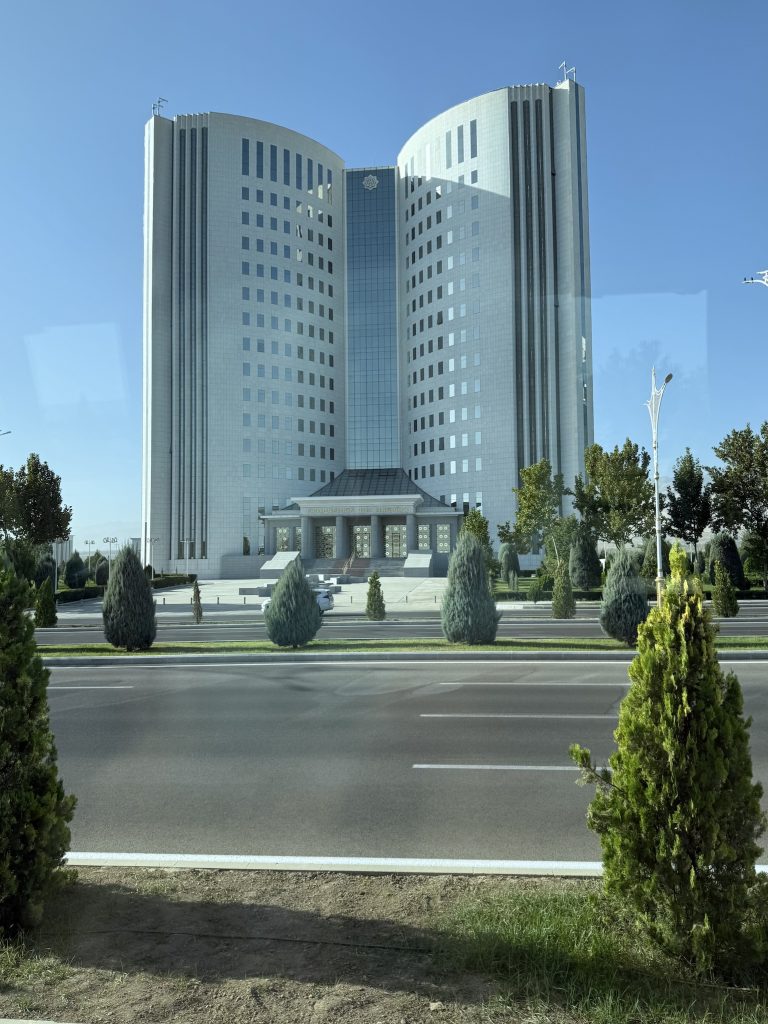
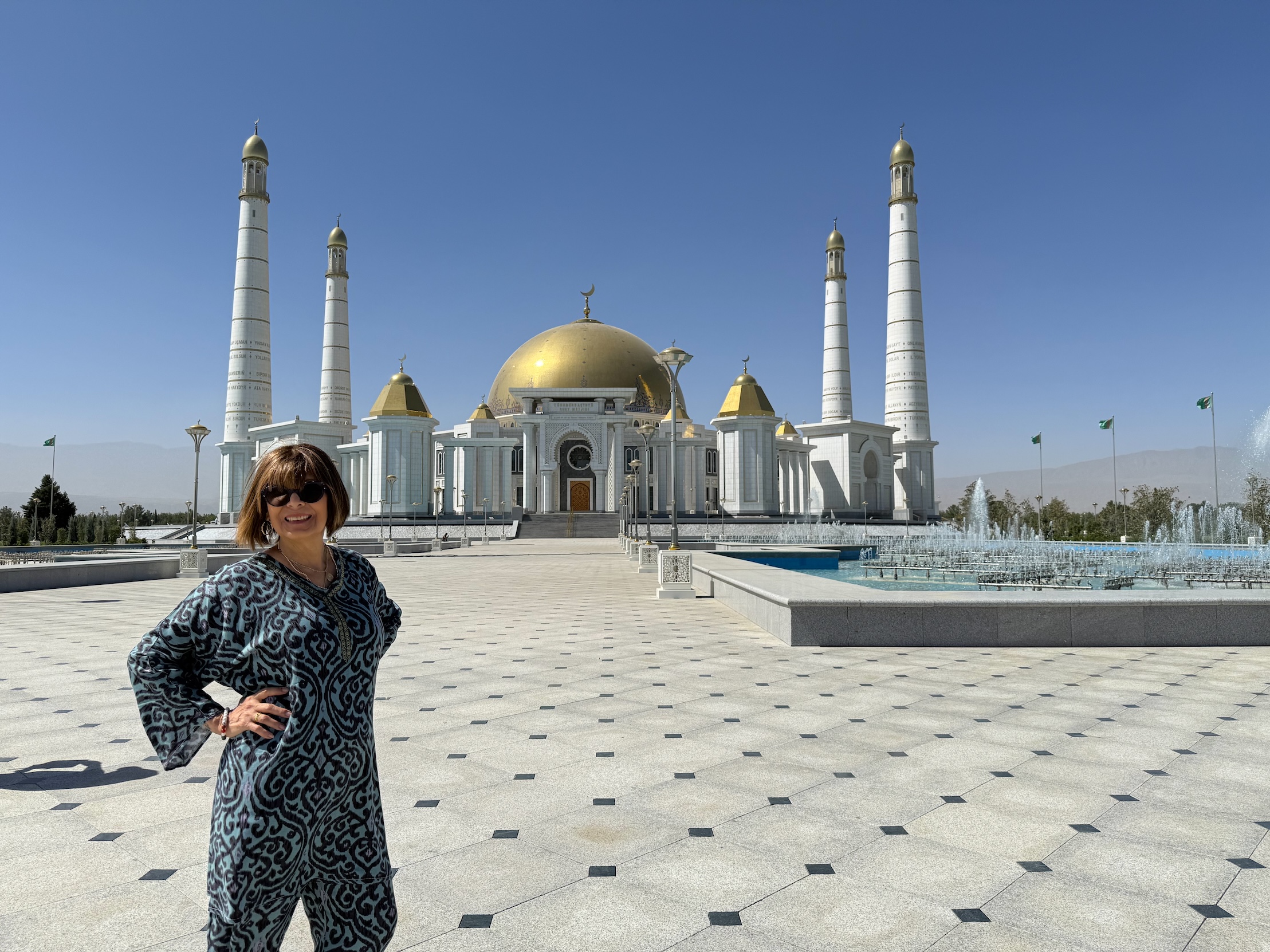
At the heart of this paradox lies Ashgabat, Turkmenistan’s capital and one of the most visually striking cities on Earth. Rebuilt almost entirely after a devastating earthquake in 1948, Ashgabat has since been transformed into a city of spectacle. Today, it holds the Guinness World Record for the highest concentration of white marble buildings in the world. Under the fierce Central Asian sun, government palaces, ministries, museums and hotels shimmer in polished stone, reflecting light with almost blinding intensity.
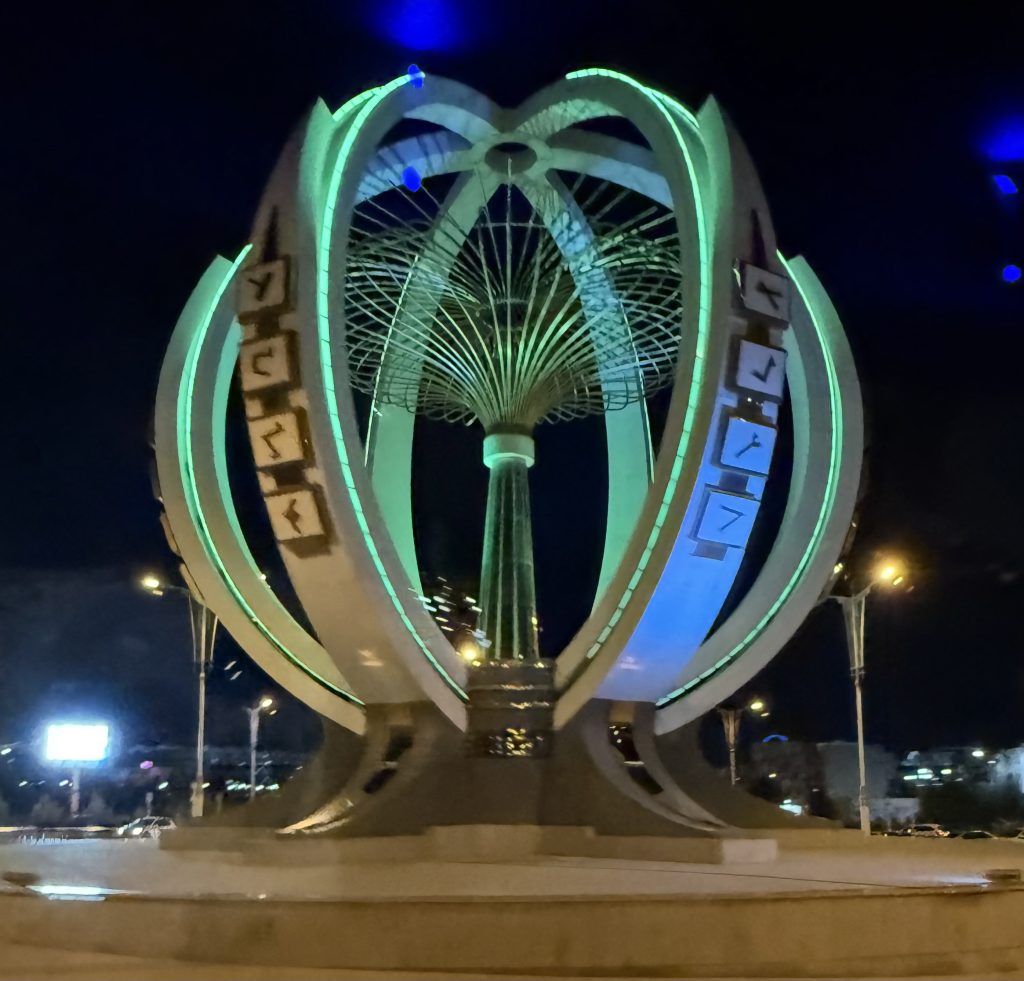
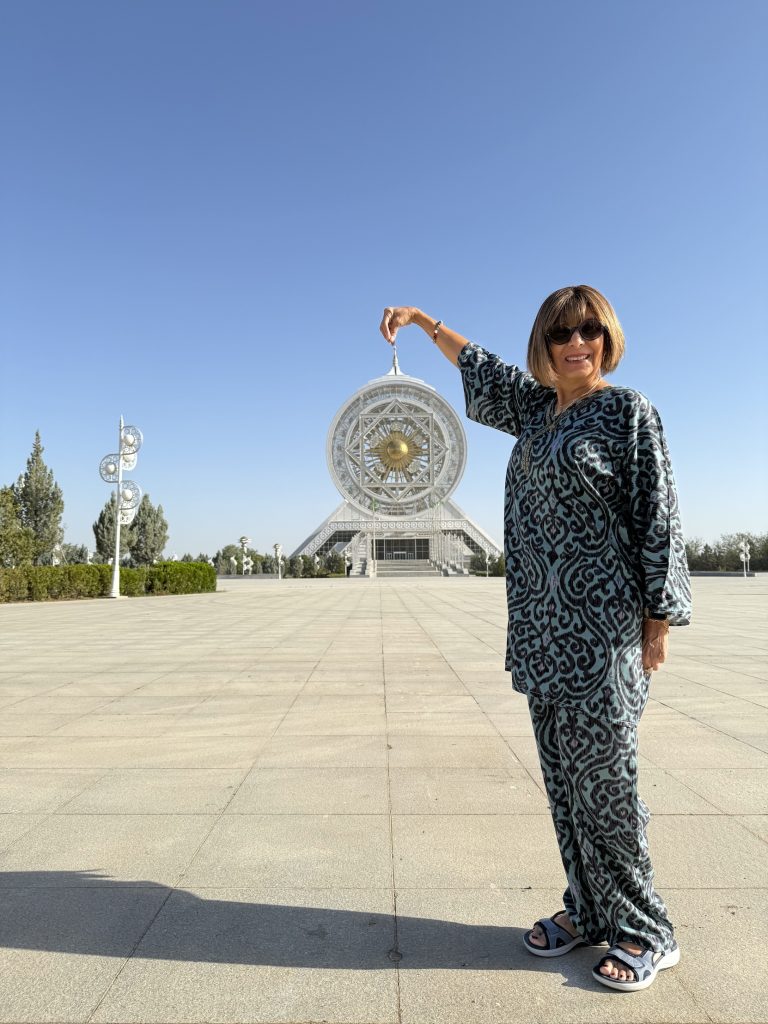
The architecture is grand and deliberate. Vast boulevards stretch for kilometres, lined with fountains, manicured gardens and gold-finished statues. Monuments rise from traffic circles with symbolic precision, celebrating independence, heritage and national identity. Yet what surprises most visitors is not the scale of the city, but its quietness. Despite its size, Ashgabat often feels eerily empty. Traffic is sparse. Pedestrians are few. Sound dissipates quickly in the dry air, creating an atmosphere closer to a stage set than a conventional capital.
This calm is not accidental. Turkmenistan is one of the most politically neutral and isolated nations in the world. Its policies of neutrality and tightly controlled engagement with the outside world have shaped both its development and its character. The result is a country largely untouched by mass tourism, where daily life unfolds away from the noise common in many global cities. In Ashgabat, the silence feels intentional, almost ceremonial, reinforcing the sense that the city exists as a statement as much as a place to live.
Beyond the capital, the landscape shifts dramatically. The Karakum Desert dominates much of the country, covering around 70 per cent of Turkmenistan’s territory. This vast expanse of sand and scrub has shaped the nation’s history, culture and resilience. Nomadic traditions once flourished here, and echoes of the Silk Road remain visible in caravanserais and ancient ruins scattered across the desert.
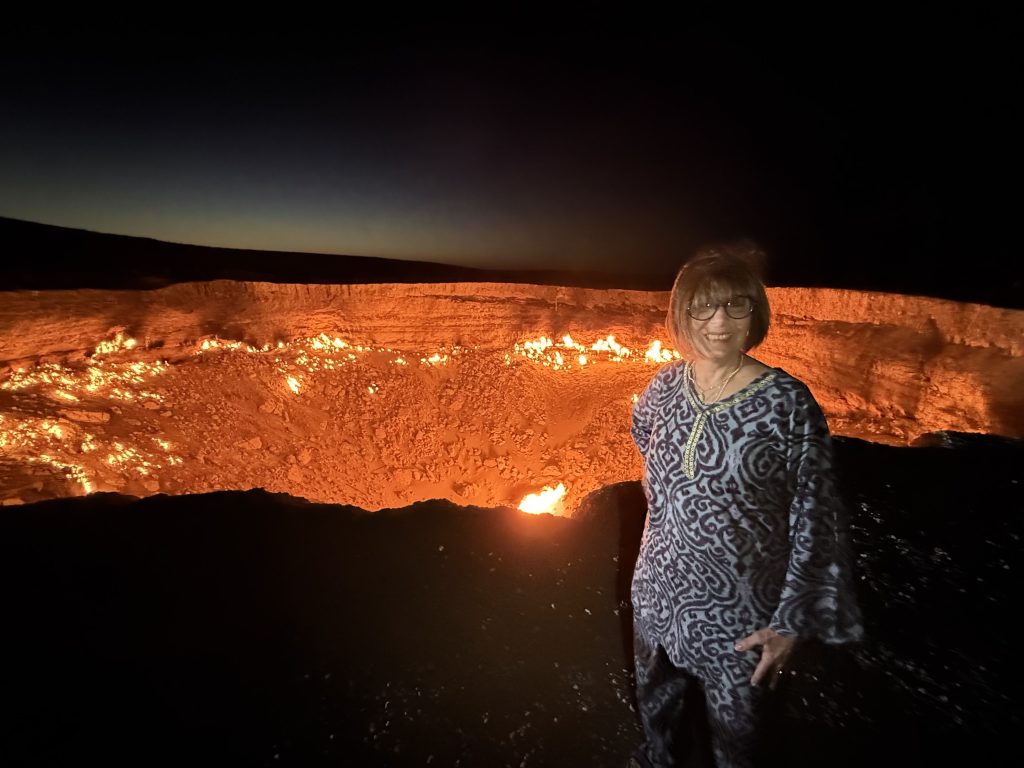
Within this harsh environment burns one of Turkmenistan’s most extraordinary sights: the Darvaza Gas Crater, commonly known as the “Door to Hell.” Located deep in the Karakum Desert, the fiery pit is the result of a Soviet-era drilling accident in 1971. When geologists struck a pocket of natural gas and the ground collapsed beneath the rig, they set the crater alight to prevent the release of toxic gases. The fire was expected to burn out within days. More than five decades later, it still rages.
Measuring approximately 70 metres wide and 30 metres deep, the crater glows fiercely against the darkness of the desert night. Flames dance endlessly across its surface, and the heat radiating from its edge is intense and unmistakable. Standing at the rim, visitors experience a rare mix of awe and unease. The crater is both mesmerising and unsettling—a vivid reminder of human miscalculation and nature’s unforgiving power.
At night, the Darvaza Crater becomes almost otherworldly. The surrounding desert fades into darkness, while the pit illuminates the sky with a constant orange glow. There are no crowds, no souvenir stalls and no artificial distractions. Only fire, sand and silence. It is here, perhaps more than anywhere else in Turkmenistan, that the country’s haunting beauty reveals itself most clearly.
Despite its modern monuments and vast energy reserves, Turkmenistan remains deeply rooted in tradition. Cultural identity is carefully preserved through music, dress, cuisine and crafts, particularly the world-renowned Turkmen carpets, whose intricate designs tell stories of tribes, history and geography. Hospitality is sincere and formal, shaped by customs that value respect, restraint and pride in national heritage.
Travel in Turkmenistan requires patience and openness. Strict visa regulations and guided itineraries mean visitors experience the country through a structured lens. Yet within these boundaries, moments of authenticity emerge—shared tea at roadside stops, quiet conversations, and long drives through landscapes that appear unchanged for centuries. The absence of overt tourism infrastructure only deepens the sense of discovery.
What sets Turkmenistan apart is not just what it shows, but what it withholds. There is a deliberate absence of spectacle for spectacle’s sake. The silence is real. The emptiness is tangible. In a world defined by speed, noise and constant visibility, Turkmenistan feels like a pause—an invitation to slow down and observe rather than consume.
The country exists in contrast. It is opulent yet austere, monumental yet restrained, modern yet timeless. Marble cities rise from ancient deserts. Eternal flames burn beneath empty skies. Stories linger in the wind, largely unheard by the outside world.
Turkmenistan does not seek attention, and it does not explain itself easily. Instead, it waits quietly, confident in its identity. For those willing to listen, it offers a rare and profound travel experience—one defined not by abundance, but by absence; not by noise, but by silence.In the end, Turkmenistan truly earns its title as the land of marble and silence—a place where grandeur stands still, and the desert keeps its secrets.